Home / Services / Wall Insulation
Residential & Commercial
Wall Insulation Eugene, OR
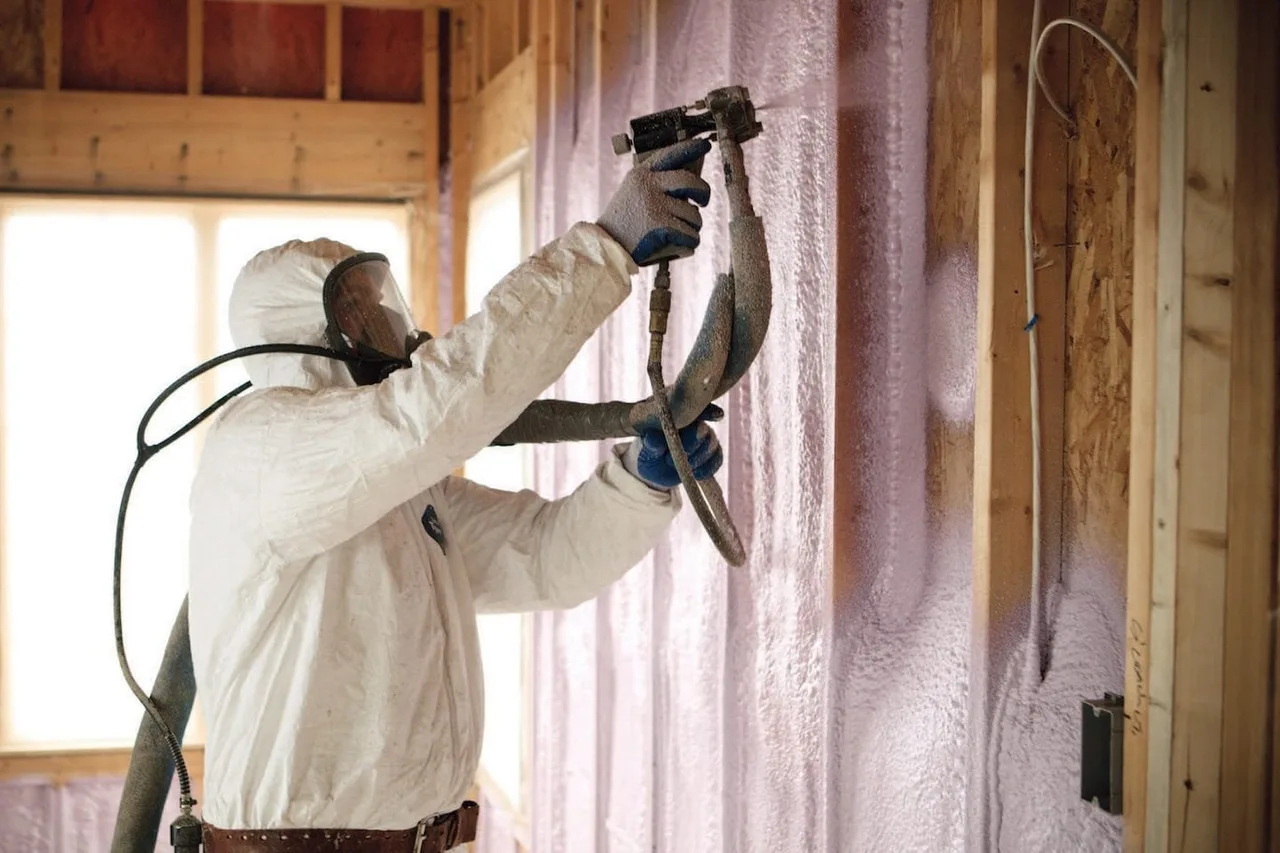
A wall is reachable once, while it is open. After the drywall goes on, that cavity is closed for the life of the building.
Open Cell or Closed Cell in a Wall
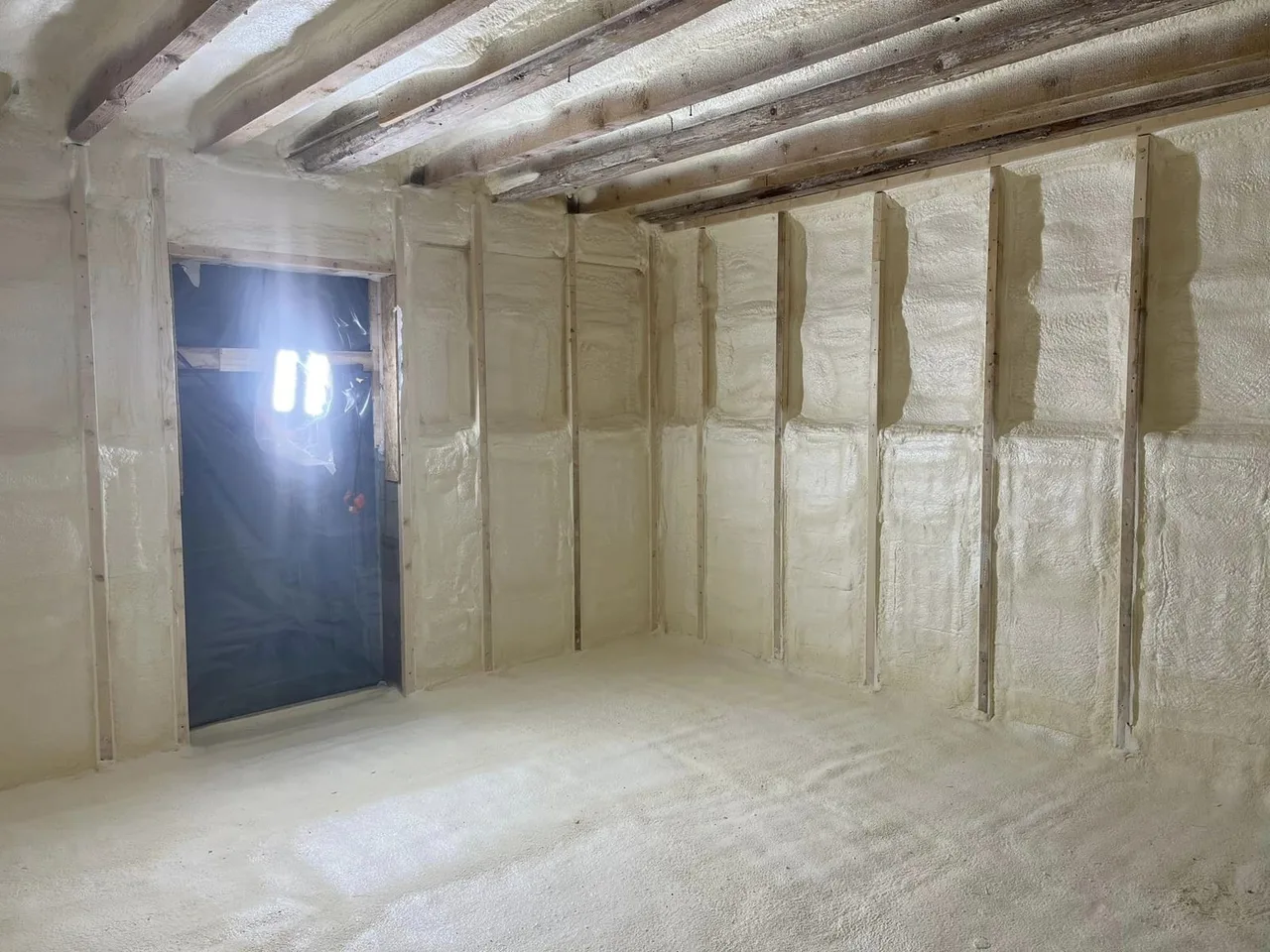
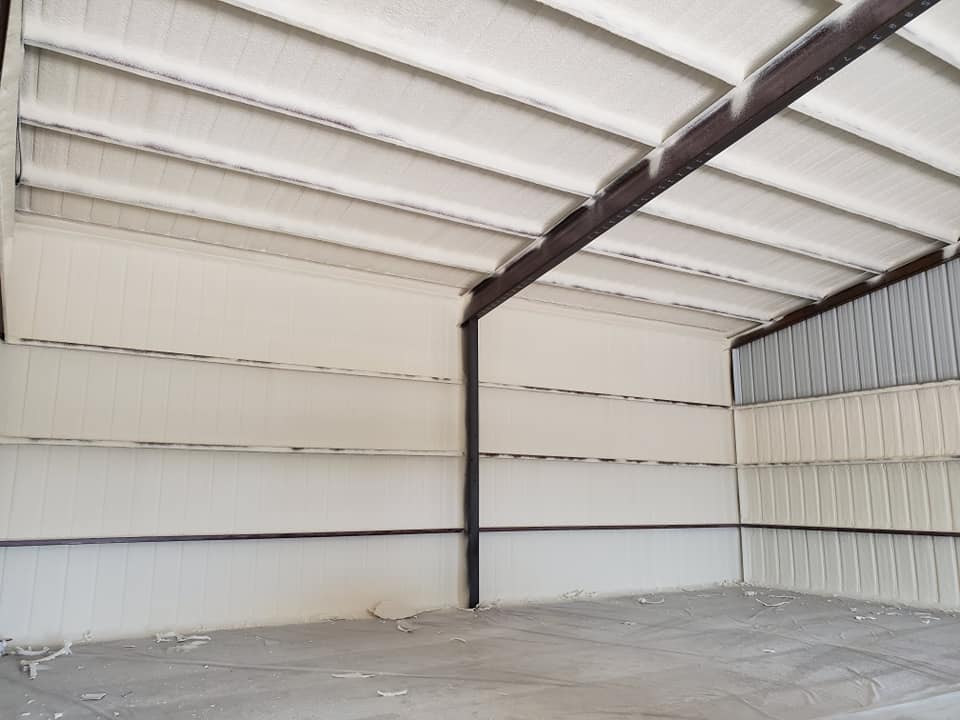
Open cell fills the cavity completely, air seals it as it expands and costs less, which makes it the usual answer for interior partitions and standard exterior walls. Closed cell gives a higher R-value per inch, adds rigidity and acts as a vapour retarder at thickness, which earns its place in shallow cavities, on exposed elevations and anywhere the assembly needs that moisture control. We specify by wall, not by habit.
Vapour Control in a Wet Climate
Oregon assemblies are built around managing moisture that is present most of the year. Closed cell foam at sufficient thickness performs the vapour-retarder function itself, which changes what else the assembly needs; open cell generally does not. This is the most common point of confusion on a retrofit and it should be settled in writing before the work rather than argued about afterwards.
New Builds, Additions and Gut Renovations
These are the three moments the cavity is open. We work to the framing schedule rather than the other way round, and the written scope names the product, the thickness and exactly which cavities are covered. If a renovation is opening walls anyway, that is the moment to do them properly rather than closing them up and regretting it.
Existing Closed Walls
Where the walls are already finished, dense-pack through small access holes is possible in some assemblies and not in others. We look at the construction before saying yes, because it depends what is already in the cavity. And if the building's real fault is an unsealed ceiling rather than empty walls, we will say the attic is the better spend.
Questions
Common questions
Can you insulate walls without removing drywall?
In some assemblies, through small access holes that are patched afterwards. We look at the wall first.
Does wall insulation help with noise?
It helps, open cell especially, though a wall built specifically for sound uses a different assembly.
Is closed cell worth the extra here?
Often on exposed walls, because of what it does for vapour and rigidity as well as R-value.
Want to know what your project would cost?
Tell us about the property and we'll help you determine the next step.
Free written estimates • No obligation • Local team